Zelifa: A Fresh Script for Web Design
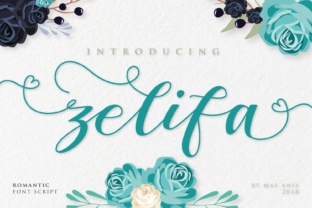
When I was redesigning a boutique online store, I knew I needed a font that could add personality without overwhelming the design. Zelifa, a modern script with a handmade calligraphy style, caught my eye. It felt fresh and unique, blending classic elegance with contemporary flair. As a web designer, I always look for fonts that can elevate a layout while maintaining clarity and usability.
Testing Zelifa in the hero section of the site, I was immediately struck by its fluid, expressive strokes. The decorative characters added a sense of warmth and creativity, making the brand feel more approachable. But I also wanted to ensure it worked well in different contexts—like mobile layouts, image overlays, and small buttons.
Visual Characteristics and Digital Appeal
Zelifa has a distinct personality. Its handwritten cursive style gives it a personal, artisanal feel, while the modern typography sensibility keeps it from feeling outdated. The font’s subtle variations in stroke weight create visual interest, making it ideal for headings, logos, and decorative accents. It’s not just a font—it’s a statement.
For a coaching website, I used Zelifa as the main heading on the homepage. The soft curves and flowing lines complemented the site’s minimalist aesthetic, adding a touch of sophistication without competing with the content. It worked especially well when paired with a clean sans serif for body text, creating a balanced contrast that enhanced readability.
Use Cases for Zelifa in Web Design
Whether you’re building a product landing page, a course sales page, or a blog redesign, Zelifa can be a powerful tool. Its versatility makes it suitable for headers, call-to-action buttons, and short phrases that need to stand out. For example, using it in a promotional banner for an online shop created a cohesive visual identity that felt both professional and creative.
In a portfolio homepage, Zelifa helped highlight the designer’s name and tagline. The font’s unique character made the site feel more personal, reinforcing the brand’s artistic identity. It also worked well as a decorative element in social media graphics and email newsletters, where a bit of flair can make a big difference.
Readability and User Experience
One of the first things I checked was how Zelifa performed on mobile screens. While it’s not the best choice for long paragraphs, it excels in short, impactful text. On smaller devices, the font remained legible, especially when used at larger sizes. For buttons and CTAs, it added a playful yet professional touch, making the user experience more engaging.
I also tested it against dark and light backgrounds. On a dark background, Zelifa retained enough contrast to be readable, but on a light one, it sometimes felt a bit too delicate. To address this, I adjusted the font size and spacing, ensuring it still stood out without being distracting.
Font Pairing and Brand Identity
Pairing Zelifa with other fonts was key to achieving a polished look. For a digital brand kit, I combined it with a simple sans serif for body copy, which provided a clear hierarchy and improved overall readability. This pairing worked well across different platforms, from websites to packaging designs.
For a more editorial feel, I experimented with a serif font alongside Zelifa. The result was a timeless, sophisticated aesthetic that felt both modern and classic. This combination was particularly effective for blog headers and feature sections, where a strong visual identity is essential.
Practical Considerations for Web Designers
Before integrating Zelifa into a project, I always check the available styles, weights, and multilingual support. The font includes a range of alternates and weights, making it adaptable for different design needs. It’s also available as a webfont, which is crucial for fast-loading sites and responsive layouts.
Commercial licensing is another important factor. Zelifa is suitable for client projects, online stores, and digital templates, which makes it a reliable choice for designers working on multiple platforms. Its availability in common file formats ensures compatibility with most design software and web development tools.
Overall, Zelifa is a standout font for web designers looking to add a unique, handmade touch to their projects. Whether it’s for a creative portfolio, a boutique online store, or a coaching website, it offers a blend of style and functionality that enhances the overall user experience.
As I continue to explore new typefaces, Zelifa remains one of my go-to choices for its balance of artistry and practicality. It’s a reminder that even the smallest design decisions—like choosing a font—can have a big impact on how a brand is perceived and experienced online.
For anyone looking to elevate their digital presence, Zelifa is worth considering. It brings a fresh perspective to modern typography, offering a perfect mix of tradition and innovation that resonates with today’s design trends.
From hero sections to CTA buttons, Zelifa proves that a well-chosen font can transform a website from good to great. It’s not just about aesthetics—it’s about creating a more engaging, memorable, and professional online experience.
As I wrap up this project, I’m confident that Zelifa will continue to play a key role in future designs. Its versatility, readability, and visual appeal make it a valuable addition to any web designer’s toolkit.